Cast Iron Casting – Strength, Precision, and Durability in Metal Manufacturing
 Cast iron casting remains one of the most essential and widely used processes in modern metal manufacturing. Known for its exceptional strength, versatility, and resistance to wear, cast iron is the backbone of industries ranging from automotive and construction to machinery and infrastructure. The cast iron casting process has evolved over centuries, combining traditional craftsmanship with modern foundry technology to deliver reliable, high-quality components that meet global engineering standards.
Understanding Cast Iron Casting
At its core, cast iron casting involves melting iron and pouring it into molds to form specific shapes once the metal cools and solidifies. This process allows manufacturers to produce complex designs and durable components that are difficult to achieve through other manufacturing methods. The types of cast iron commonly produced include grey iron, ductile iron (nodular iron), white iron, and malleable iron, each with distinct mechanical properties suited for different applications.
Grey cast iron, for example, is known for its excellent machinability and vibration damping, making it ideal for engine blocks, machine bases, and pumps. Ductile iron, on the other hand, combines strength with flexibility, allowing it to be used in heavy-duty applications like pipelines, gears, and crankshafts.
The Casting Process
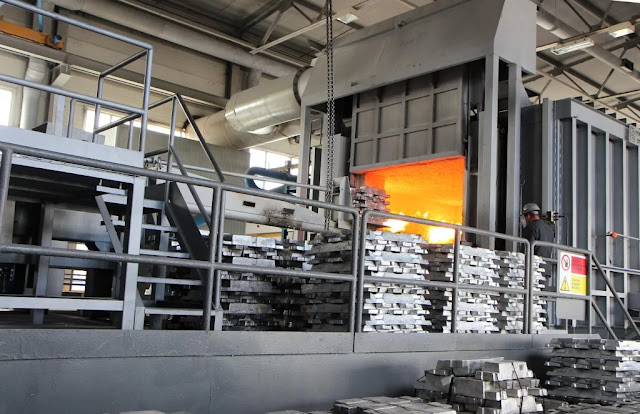
The cast iron casting process begins with the selection and preparation of raw materials. High-quality pig iron, steel scrap, and alloys are melted in a furnace, often using electric induction or cupola furnaces. Once molten, the iron is poured into molds made from sand or metal patterns. Sand casting remains the most common method due to its flexibility and cost-effectiveness.
After pouring, the molten metal is left to cool and solidify within the mold. The solid castings are then removed, cleaned, and finished through processes like grinding, machining, and shot blasting. The result is a precision-engineered component ready for industrial use.
Advantages of Cast Iron Casting
The popularity of cast iron casting lies in its unique combination of performance and affordability. Some of the major advantages include:
-
Durability: Cast iron offers excellent strength and wear resistance, even under high stress.
-
Machinability: It can be easily shaped and finished, allowing for intricate designs and precise dimensions.
-
Thermal Stability: Cast iron withstands high temperatures, making it suitable for engine parts and furnace components.
-
Vibration Damping: Its ability to absorb vibrations makes it perfect for machinery bases and industrial equipment.
-
Cost-Effectiveness: Compared to other metals, cast iron is relatively inexpensive to produce and process.
These benefits make cast iron casting one of the most economical and reliable manufacturing processes in the metal industry.
Industrial Applications
Cast iron components are used in virtually every industrial sector. In the automotive industry, cast iron is found in engine blocks, brake drums, manifolds, and suspension parts. In the construction sector, it’s used for manhole covers, pipes, and structural supports. The machinery industry relies heavily on cast iron for producing lathe beds, gearboxes, and machine frames due to its rigidity and vibration-damping properties.
Moreover, cast iron foundries supply essential parts to sectors such as oil and gas, marine, and power generation. The metal’s versatility and performance make it a preferred choice for manufacturers who need durable, long-lasting components that can handle heavy loads and high temperatures.
Modern Innovations in Cast Iron Casting
Today’s cast iron casting factories have embraced modern technologies to improve efficiency, precision, and sustainability. Advanced computer-aided design (CAD) and simulation software allow engineers to predict metal flow, solidification patterns, and potential defects before actual production. This minimizes waste, saves time, and ensures consistent quality.
Additionally, many foundries have implemented CNC machining, automated pouring systems, and non-destructive testing (NDT) to maintain high accuracy standards. These innovations help meet the growing global demand for custom-engineered castings with tight tolerances and complex geometries.
Sustainability and Environmental Responsibility
The modern cast iron industry is increasingly focused on sustainability. Many foundries in the UAE, India, and Europe have introduced recycling systems that reuse scrap metal, reducing environmental impact. Advanced air filtration and waste management systems also ensure compliance with environmental regulations. Cast iron itself is a sustainable material—it can be recycled indefinitely without losing its properties, making it an eco-friendly choice for industrial production.
Quality Assurance and Testing
Every cast iron casting factory follows strict quality assurance processes. Chemical composition, microstructure, tensile strength, and hardness are tested to ensure each product meets engineering requirements. Dimensional accuracy is verified using 3D measuring machines and gauges. Only after passing these inspections are castings approved for dispatch to clients.
Many foundries hold certifications such as ISO 9001 and ISO 14001, which guarantee quality control and environmental compliance. This focus on reliability ensures that cast iron products perform safely and efficiently in critical industrial applications.
The Role of the UAE in Metal Casting
In recent years, the UAE has emerged as a hub for metal casting and foundry services. With its world-class industrial infrastructure, access to global trade routes, and investment in advanced technology, the country is home to several leading cast iron casting factories that serve both local and international markets. These facilities provide components for construction, oilfield operations, casting company in dubai brass casting company sand casting sand casting services cast iron casting aluminium casting aluminium casting services brass casting brass casting services bronze casting bronze casting services lead casting marine services casting services for marine companies Lathe works lathe machines metal casting sand casting company metal sand casting company metal casting company metal casting services quality metal casting Foundry Services Foundry Products and heavy machinery, industries that rely heavily on precision metal products. By combining traditional craftsmanship with innovation, UAE-based manufacturers continue to set benchmarks in the global casting industry. The growing demand for durable and affordable metal components ensures that the cast iron casting sector will remain an essential part of industrial progress.
Conclusion
The art and science of cast iron casting continue to evolve, blending centuries-old techniques with modern technology to deliver components that drive the world’s industries. Its unmatched durability, cost-efficiency, and adaptability make it one of the most trusted materials in engineering and manufacturing.
From foundries in the UAE to global industrial hubs, cast iron casting remains a symbol of precision, strength, and enduring quality—proving that even in a world of advanced alloys and composites, cast iron still holds its place as the foundation of industrial excellence.


Comments
Post a Comment