Cast Iron, Aluminium, and Brass Casting – Reliable Metal Casting Solutions
.webp "Cast Iron, Aluminium, and Brass Casting – Reliable Metal Casting Solutions")
In the modern manufacturing industry, metal casting plays an essential role in producing durable, precise, and versatile components. Among the many casting methods available, cast iron casting, aluminium casting, and brass casting stand out for their unique qualities and wide range of applications. These casting processes are the backbone of industries such as automotive, construction, machinery, and marine engineering, delivering reliable solutions that meet diverse requirements.
Cast Iron Casting – Strength and Durability
Cast iron casting is one of the oldest and most widely used methods in the metal industry. Known for its high strength, wear resistance, and ability to withstand extreme conditions, cast iron is commonly used in heavy machinery, engine components, pipes, and construction equipment.
The process involves pouring molten iron into sand molds, resulting in components that are both durable and cost-effective. Businesses prefer cast iron casting because it provides high rigidity and excellent machinability, making it ideal for large-scale industrial applications.
Aluminium Casting – Lightweight and Versatile
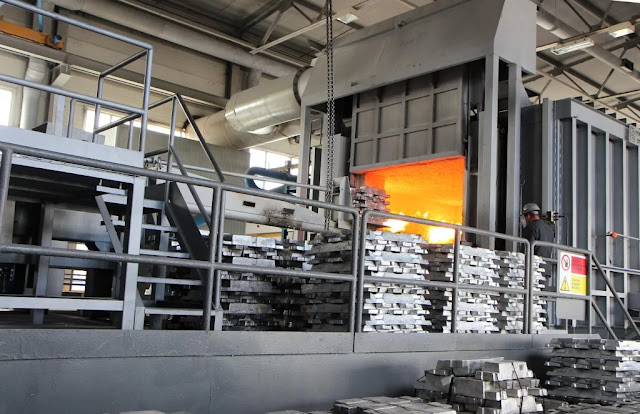
In industries where lightweight strength and corrosion resistance are essential, aluminium casting is the go-to solution. Aluminium offers a perfect balance of durability and lightness, which is why it is used in automotive parts, aerospace components, marine applications, and custom industrial products.
By using modern foundry techniques, manufacturers produce aluminium castings that are precise, consistent, and efficient. Aluminium’s natural resistance to rust and its excellent thermal properties also make it one of the most sought-after materials in metal casting.
Brass Casting – Precision and Aesthetic Appeal
Another essential casting process is brass casting, valued not only for its strength but also for its aesthetic appeal. Brass is corrosion-resistant, highly machinable, and often used in fittings, valves, decorative hardware, and marine services.
With its unique golden appearance, brass casting offers both functionality and visual appeal, making it a popular choice for industries requiring parts that are durable yet visually attractive.
Why Combine Cast Iron, Aluminium, and Brass Casting Services?
Each of these casting processes serves specific needs, but when offered together, they provide businesses with a complete solution for diverse requirements. A casting company that specializes in cast iron, aluminium, and brass casting ensures:
-
Versatility: Ability to meet different industry applications.
-
Custom Solutions: Flexibility to create complex shapes and designs.
-
Durability: High-quality materials tested for strength and reliability.
-
Cost Efficiency: Competitive pricing across different casting methods.
-
Industry Reach: Serving automotive, construction, marine, and industrial markets.
Foundry Services and Industry Applications
Foundries specializing in these casting methods are equipped to handle both small-batch and large-scale production. Applications include:
-
Cast Iron Casting: Machinery parts, construction equipment, pipes, and engine blocks.
-
Aluminium Casting: Aerospace components, vehicle parts, marine fittings, and lightweight machinery.
-
Brass Casting: Decorative items, valves, plumbing fittings, and marine services.
This wide range of applications highlights the adaptability and importance of these casting methods in today’s industrial landscape.
Conclusion
Whether it’s the strength of cast iron casting, the lightweight versatility of aluminium casting, or the precision and appeal of brass casting, these processes form the foundation of modern manufacturing. Foundries offering all three solutions ensure that industries can access durable, cost-effective, and high-quality products tailored to their needs.


Comments
Post a Comment