Brass Casting – A Durable and Versatile Manufacturing Process

Brass casting is one of the most reliable and versatile methods used in the manufacturing industry. Known for its strength, corrosion resistance, and aesthetic appeal, brass has been a popular material for centuries. Whether it’s industrial components, decorative hardware, or marine fittings, brass casting provides the flexibility to produce durable and detailed products that meet modern demands.
What is Brass Casting?
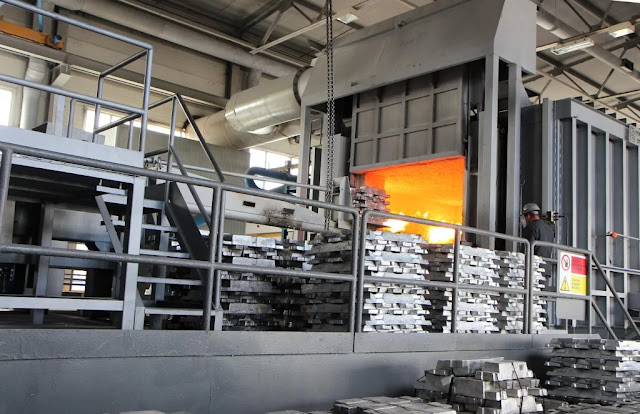
Brass casting is a metal casting process where molten brass, an alloy of copper and zinc, is poured into a mold to create parts and components. Once cooled and solidified, the mold is removed to reveal a strong and durable brass product. The process is widely used in foundries to manufacture parts for plumbing, electrical systems, architectural designs, and marine applications.
Advantages of Brass Casting
-
Corrosion Resistance – Brass resists corrosion, especially from saltwater, making it ideal for marine equipment and outdoor fittings.
-
Durability – Strong and long-lasting, brass casting produces components that withstand wear and tear.
-
Aesthetic Appeal – Brass has a natural golden color, making it perfect for decorative hardware and artistic designs.
-
Versatility – Complex shapes and detailed designs can be achieved through precision casting methods.
-
Machinability – Brass components are easy to machine and finish, adding flexibility in post-casting processes.
Common Methods of Brass Casting
1. Sand Casting
Sand casting is one of the oldest and most cost-effective methods of brass casting. It involves using sand molds to create larger components such as valves, pump housings, and machine parts.
2. Die Casting
Die casting uses high-pressure machines to inject molten brass into steel molds. This method is best for producing high-volume parts with consistent quality, such as plumbing fixtures and electrical components.
3. Investment Casting (Lost Wax Casting)
This process uses wax patterns coated with ceramic shells to create highly detailed brass parts. Investment casting is commonly used in jewelry, decorative pieces, and intricate hardware.
4. Centrifugal Casting
This technique is ideal for creating cylindrical brass components like bushings, bearings, and rings. The centrifugal force ensures high density and minimal defects.
Applications of Brass Casting
Brass casting plays a crucial role in many industries due to its durability and decorative appeal:
-
Marine Industry – Propellers, fittings, and hardware resistant to saltwater.
-
Construction – Door handles, locks, and architectural designs.
-
Plumbing – Valves, taps, and pipe fittings.
-
Electrical – Switches, terminals, and connectors.
-
Decorative Products – Statues, jewelry, and ornamental pieces.
Why Choose Brass Casting?
Compared to other casting metals like aluminum or cast iron, brass offers a unique blend of strength, workability, and visual elegance. Its resistance to corrosion makes it ideal for marine and outdoor applications, while its golden finish gives it an edge in decorative and luxury markets. Additionally, brass is recyclable, making it an eco-friendly option for sustainable manufacturing.
Conclusion
Brass casting is a time-tested and versatile process that continues to support industries worldwide. From industrial machinery to artistic creations, brass delivers strength, durability, and beauty in every cast. With casting methods like sand casting, die casting, and investment casting, businesses can achieve precision and quality at competitive costs. Whether for marine, architectural, or decorative use, brass casting remains one of the most dependable solutions in modern manufacturing.


Comments
Post a Comment