Sand Casting, Cast Iron Casting, and Aluminum Casting – Core Metal Manufacturing Processes

Casting is one of the oldest and most important manufacturing methods, used for centuries to shape metals into desired forms. Even with the rise of modern machining and fabrication techniques, casting continues to dominate in industries that require precision, durability, and cost-effectiveness. Among the most widely used processes are sand casting, cast iron casting, and aluminum casting. Each of these techniques has unique advantages that make them suitable for specific industrial, construction, and engineering applications.
Sand Casting
Sand casting is one of the most versatile and widely used metal casting processes. It involves creating a mold from special sand, pouring molten metal into the mold cavity, and allowing it to cool and solidify. Once the casting hardens, the sand mold is broken away, revealing the finished part.
Advantages of Sand Casting:
-
Versatility: Suitable for both ferrous and non-ferrous metals.
-
Cost-effectiveness: Inexpensive molds make it ideal for small to medium production.
-
Large-scale casting: Capable of producing very large components.
-
Complex shapes: Allows for intricate designs with minimal machining required afterward.
Applications of Sand Casting:
-
Automotive engine blocks and cylinder heads.
-
Industrial machinery components.
-
Construction equipment.
-
Artistic sculptures and decorative items.
Its ability to produce both small and massive components has made sand casting a go-to method for industries worldwide.
Cast Iron Casting
Cast iron casting is a process where molten cast iron is poured into molds to create durable and heat-resistant products. Cast iron is an alloy of iron, carbon, and silicon, known for its hardness and ability to withstand extreme conditions.
Benefits of Cast Iron Casting:
-
Durability: Strong and wear-resistant, making it suitable for heavy-duty use.
-
Heat resistance: Withstands high temperatures without deforming.
-
Cost-efficiency: Relatively inexpensive compared to other alloys.
-
Vibration damping: Ideal for machinery that requires stability.
Common Uses of Cast Iron Casting:
-
Engine blocks, gearboxes, and machine tool frames.
-
Pipes, valves, and pumps in water and sewage systems.
-
Cookware such as pans, skillets, and pots.
-
Construction and automotive parts requiring strength and toughness.
Due to its ability to perform well under pressure and heat, cast iron casting remains essential in industrial manufacturing.
Aluminum Casting
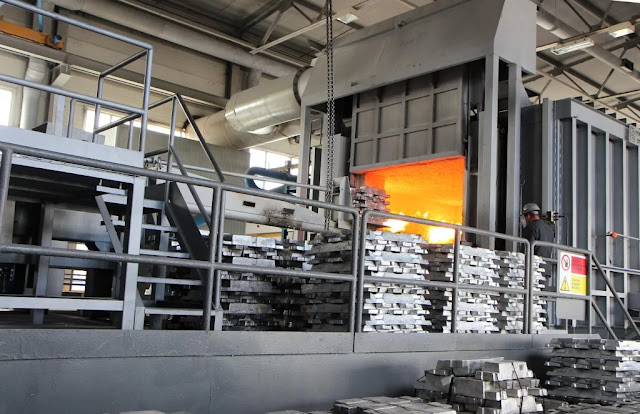
Aluminum casting has become increasingly popular due to aluminum’s lightweight, corrosion resistance, and excellent thermal properties. The process involves pouring molten aluminum into molds created through sand casting, die casting, or investment casting methods.
Advantages of Aluminum Casting:
-
Lightweight strength: Strong yet lighter than steel or iron.
-
Corrosion resistance: Ideal for marine, automotive, and aerospace applications.
-
High conductivity: Excellent for heat transfer and electrical applications.
-
Recyclability: Aluminum is 100% recyclable without losing quality.
Applications of Aluminum Casting:
-
Automotive parts such as wheels, engine housings, and transmission components.
-
Aerospace components requiring strength-to-weight efficiency.
-
Electronics housings and heat sinks.
-
Marine parts exposed to saltwater environments.
Aluminum casting supports industries that demand lightweight materials without compromising durability.
Comparing Sand, Cast Iron, and Aluminum Casting
Each of these casting processes offers unique advantages:
-
Sand Casting: Best for flexibility, large components, and cost-effective prototypes.
-
Cast Iron Casting: Perfect for durability, heavy-duty applications, and heat resistance.
-
Aluminum Casting: Ideal for lightweight, corrosion-resistant, and high-performance parts.
Manufacturers often choose between these methods depending on the application, budget, and required material properties.
The Importance of Casting in Modern Industries
Despite advancements in 3D printing and CNC machining, casting remains a fundamental process for industries because of its ability to:
-
Produce complex shapes with minimal waste.
-
Handle both small and massive parts.
-
Utilize a wide range of metals and alloys.
-
Offer cost-efficiency in both small and bulk production.
From automobiles and aerospace to construction and household products, casting continues to be the backbone of industrial production.
Conclusion
Sand casting, cast iron casting, and aluminum casting remain essential processes in today’s global industries. Sand casting offers unmatched versatility, cast iron casting delivers strength and heat resistance, and aluminum casting provides lightweight yet durable solutions. Together, these casting methods ensure industries can meet diverse needs while maintaining efficiency and cost-effectiveness.
For manufacturers, choosing the right casting process means balancing design complexity, material strength, and production requirements. With their proven reliability, these casting techniques will continue to shape industries and innovations well into the future.


Comments
Post a Comment