Lead Casting: Process, Applications, and Industrial Importance

In the manufacturing and metalworking industries, lead casting is one of the oldest and most widely used techniques for creating durable components and specialized products. Known for its excellent malleability, corrosion resistance, and cost-effectiveness, lead has been used in casting for centuries. Even today, industries ranging from construction to medical equipment rely heavily on lead casting to meet their production needs.
What is Lead Casting?
Lead casting is the process of melting lead and pouring it into molds to create parts, shapes, or components of specific sizes. Because of its relatively low melting point and ease of shaping, lead is a preferred material for casting. Once cooled, the cast product is removed from the mold and may undergo finishing processes such as machining, polishing, or coating.
This simple yet highly effective technique has made lead casting a vital part of both traditional and modern manufacturing.
The Lead Casting Process
The process of lead casting typically involves several stages:
-
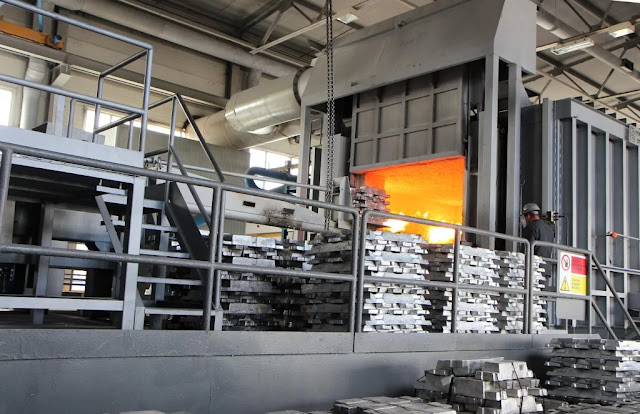
Melting – Lead ingots or scrap lead are heated in a furnace until they reach their melting point.
-
Mold Preparation – Molds are created from sand, steel, or graphite, depending on the complexity and purpose of the product.
-
Pouring – The molten lead is carefully poured into the prepared mold.
-
Cooling – The cast is left to solidify under controlled conditions.
-
Finishing – The product may be cleaned, machined, or coated for improved surface quality and performance.
This method ensures that manufacturers can produce both small intricate components and large industrial parts with ease.
Advantages of Lead Casting
The popularity of lead casting in industrial applications is due to several unique advantages:
-
Low Melting Point – Lead requires less energy to melt, making the casting process cost-effective.
-
Malleability – The material can be easily shaped into complex designs.
-
Corrosion Resistance – Lead is resistant to rust and environmental wear, increasing product longevity.
-
Density – Its high density makes lead ideal for products requiring weight and stability, such as counterweights and ballast.
-
Recyclability – Lead can be melted down and reused, reducing waste and costs.
Applications of Lead Casting
Lead casting is used in a wide range of industries, thanks to its versatility and reliability:
-
Construction Industry – Lead sheets, roofing materials, and piping systems rely on cast lead for durability and weather resistance.
-
Medical Sector – Radiation shielding in X-ray rooms and protective gear are made from cast lead due to its density.
-
Automotive and Marine – Cast lead is used in batteries, ballast weights, and protective coatings.
-
Ammunition Manufacturing – Bullets and pellets are often made through lead casting, ensuring consistency in size and performance.
-
Art and Craft – Sculptors and artisans use lead casting for creating intricate decorative items.
Safety Considerations in Lead Casting
While lead casting is highly effective, it comes with health and environmental concerns. Exposure to lead fumes and dust can be hazardous if proper safety measures are not followed. Manufacturers must ensure:
-
Adequate ventilation in casting facilities.
-
Use of personal protective equipment (PPE), such as gloves and masks.
-
Regular health checks for workers.
-
Proper disposal and recycling of lead waste to minimize environmental impact.
With strict adherence to safety protocols, industries can continue to benefit from lead casting without compromising health or the environment.
The Future of Lead Casting
Although alternative materials like aluminum and composites are gaining popularity, lead casting remains relevant due to its unique properties. Ongoing research focuses on making the process safer, more sustainable, and environmentally friendly. With advancements in mold design and recycling technologies, lead casting is expected to retain its importance across multiple sectors.
Conclusion
Lead casting has stood the test of time as a reliable and cost-effective manufacturing process. Its ability to produce durable, corrosion-resistant, and versatile products makes it indispensable in industries such as construction, healthcare, automotive, and defense. With proper safety measures in place, lead casting will continue to play a critical role in global manufacturing, combining traditional techniques with modern innovation.


Comments
Post a Comment