Casting Solutions and Modern Engineering Applications

In the world of manufacturing and engineering, different casting techniques play a vital role in producing durable, efficient, and cost-effective components. Whether it’s sand casting, cast iron casting, aluminum casting, or more specialized processes like brass casting, bronze casting, and lead casting, each method serves industries with unique requirements. Alongside these processes, marine services and precision tools like lathe machines continue to support modern industries by ensuring performance and reliability.
Sand Casting: The Traditional yet Reliable Process
Sand casting is one of the oldest and most versatile methods of shaping metals. It involves creating molds using sand and then pouring molten metal into the cavity. This process is ideal for both small and large components, making it popular across industries. Sand casting is cost-effective, flexible, and capable of handling different metals, which is why it is widely used for prototyping and low-volume production.
Cast Iron Casting: Strength and Durability
Cast iron casting is a cornerstone of heavy engineering. Known for its compressive strength, durability, and affordability, cast iron remains a go-to material for components such as engine blocks, pipes, machine bases, and construction materials. Its vibration-absorbing ability makes it suitable for heavy-duty applications, including lathe machines and other industrial equipment that demand stability and precision.
Aluminum Casting: Lightweight and Versatile
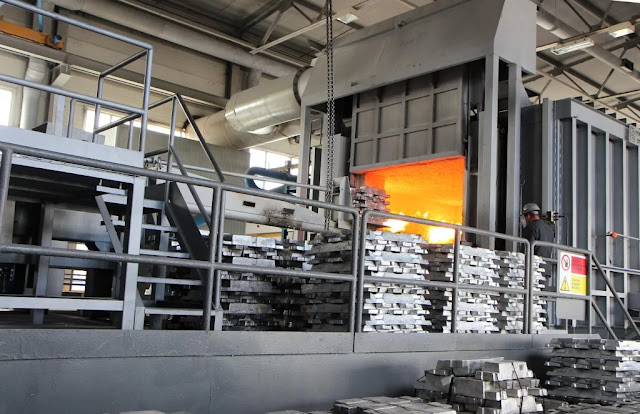
In industries where weight reduction is a priority, aluminum casting stands out. Aluminum components are widely used in automotive, aerospace, and consumer electronics. With benefits like corrosion resistance and thermal conductivity, aluminum casting ensures lighter yet strong parts. This process supports energy efficiency while delivering high performance, making it an essential choice in modern engineering.
Brass Casting: Corrosion Resistance for Specialized Uses
Brass casting provides a unique advantage with its excellent corrosion resistance and attractive appearance. Often used in decorative items, plumbing fixtures, and electrical components, brass offers a blend of functionality and aesthetics. It is also widely applied in marine services, where exposure to saltwater demands metals that can resist corrosion while maintaining structural integrity.
Bronze Casting: A Blend of Tradition and Performance
Known since ancient times, bronze casting continues to be relevant in today’s industries. Bronze is valued for its wear resistance and strength, making it suitable for bearings, gears, and marine hardware. Like brass, bronze’s corrosion resistance is particularly useful in marine services, where long-term durability in harsh environments is critical.
Lead Casting: Specialized for Heavy Applications
Though less common today due to health concerns, lead casting is still used in industries requiring heavy and dense components. Applications include counterweights, radiation shielding, and ballast for ships. Its density and malleability make it highly functional where weight and protection are priorities.
Marine Services and Casting Applications
The marine services sector relies heavily on casting processes to produce ship components, propellers, and fittings that can withstand harsh sea conditions. Materials like brass and bronze are preferred for their corrosion resistance, while cast iron and aluminum are also used for structural and functional elements. These castings ensure vessels remain efficient and reliable even in challenging marine environments.
Lathe Machines and Engineering Precision
No discussion about manufacturing is complete without lathe machines. These machines are essential for shaping cast components into precise dimensions. After casting processes like sand casting or aluminum casting, lathe machines finish the parts by removing excess material and creating accurate surfaces. Their role in achieving precision highlights the deep connection between casting methods and modern machining.
Conclusion
From sand casting to lead casting, every method has a place in today’s engineering world. Cast iron casting delivers strength, aluminum casting ensures lightweight efficiency, while brass casting and bronze casting provide corrosion resistance, especially for marine services. Supporting all these processes are lathe machines, which ensure cast parts meet exacting standards. Together, these technologies form the backbone of industries that shape modern life, proving the timeless importance of casting and machining in engineering.


Comments
Post a Comment