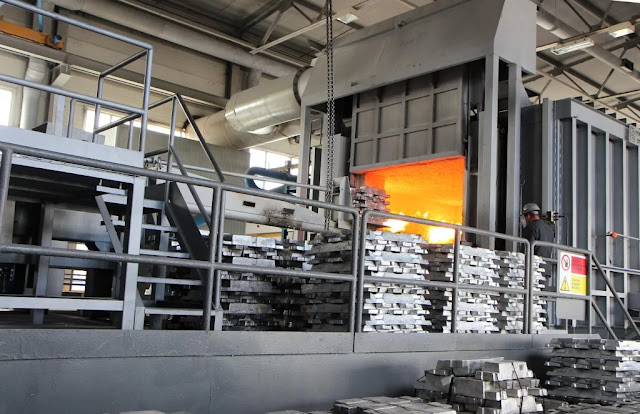
Precision Engineering and Casting Solutions for Modern Industries
.jpeg "Precision Engineering and Casting Solutions for Modern Industries")
In today’s industrial world, precision and durability are the backbone of reliable products. From small workshops to large-scale industries, manufacturers rely heavily on different casting techniques and machining processes to deliver components that stand the test of time. Among these, sand casting, cast iron casting, aluminum casting, brass casting, bronze casting, and even lead casting continue to play a vital role in shaping industries across engineering, marine, and construction sectors. Alongside these, the use of lathe machines, lathe works, and specialized processes like hydraulic pressure testing ensure that every product meets the highest performance standards.
The Versatility of Casting Techniques
Sand casting remains one of the most widely used and cost-effective methods for producing complex metal components. Its ability to handle both small and large parts makes it highly adaptable for industries that require durability without compromising flexibility.
Similarly, cast iron casting has been a cornerstone of manufacturing for centuries. Known for its strength, wear resistance, and affordability, it is still the go-to choice for machinery bases, automotive parts, and industrial equipment.
For industries demanding lighter yet durable components, aluminum casting provides an excellent solution. Aluminum’s resistance to corrosion, along with its strength-to-weight ratio, makes it essential in the automotive, aerospace, and marine industries.
Brass casting and bronze casting offer specialized benefits as well. Brass provides excellent machinability and corrosion resistance, making it ideal for fittings and decorative applications. Bronze, on the other hand, is valued for its toughness and resistance to friction, which is why aluminum bronze casting is commonly used in marine services for propellers, pumps, and ship components.
Lead casting, though less common, still finds use in industries such as radiation shielding, counterweights, and specific industrial applications where its density is an advantage.
Role of Lathe Machines and Lathe Works
Casting provides the raw shape, but machining gives the precision finish. This is where lathe machines and lathe works come into play. A lathe machine is one of the oldest and most important tools in engineering, used to cut, shape, and refine metal components. Whether it is a simple shaft or a highly detailed mechanical part, lathe works ensure exact specifications and smooth finishes.
The combination of casting with lathe machining guarantees both strength and precision, meeting the requirements of modern industries.
Marine Services and Specialized Solutions
Marine industries face some of the toughest working conditions, from saltwater corrosion to high-pressure environments. This is why bronze casting, particularly aluminum bronze casting, is heavily used in marine equipment. Propellers, pump casings, and underwater fittings depend on these materials for their durability and resistance to corrosion.
In addition, hydraulic pressure testing is essential in marine services. This testing method ensures that pipes, valves, and other marine components can withstand extreme conditions without failure. It adds an extra layer of safety and reliability before equipment is put into operation.
Bringing It All Together
The synergy of casting techniques, lathe works, and modern testing methods creates a complete cycle of industrial excellence. Sand casting delivers flexibility, cast iron casting ensures strength, aluminum casting provides lightweight solutions, and brass and bronze casting add resistance and durability. Together with lathe machines and precision machining, these processes transform raw materials into finished products ready for demanding industries.
For marine applications, the combination of aluminum bronze casting with hydraulic pressure testing provides unmatched reliability, ensuring that equipment can withstand harsh ocean environments.
Final Thoughts
Industries today rely on a mix of tradition and innovation. While age-old practices like sand casting and lathe works remain relevant, modern techniques like hydraulic pressure testing push performance to new heights. From cast iron casting to marine services, every method and process plays its role in building a stronger, safer, and more advanced industrial future.


Comments
Post a Comment