Cast Iron Casting in Dubai: Industrial Solutions for Modern Applications

Cast iron is an important engineering material used in manufacturing, construction, infrastructure, machinery, and industrial equipment. Its strength, wear resistance, castability, and cost-effectiveness make it suitable for producing components with a wide range of shapes and specifications. As Dubai continues to support construction, industrial operations, logistics, and infrastructure development, reliable metal casting solutions remain relevant to businesses across the UAE.
Cast iron casting in Dubai is an important consideration for manufacturers, contractors, engineering companies, and industrial buyers looking for metal components that meet specific performance requirements. Understanding the casting process, available material grades, applications, and quality considerations can help businesses make informed purchasing decisions.
CSG Extrusion provides industrial metal and manufacturing-related solutions. Businesses exploring cast iron components can evaluate their project requirements, material specifications, and production needs to identify a suitable casting approach.
What Is Cast Iron Casting?
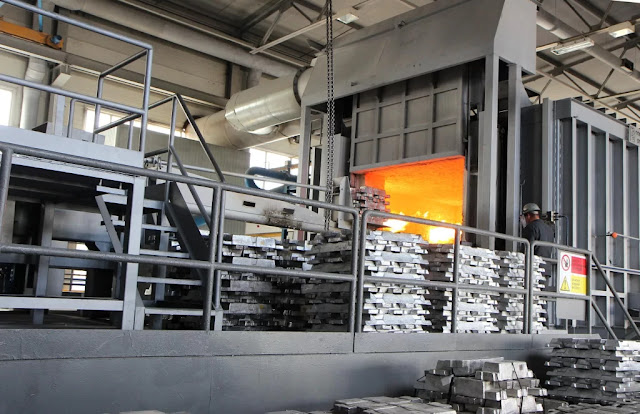
Cast iron casting is a manufacturing process in which molten cast iron is poured into a prepared mould and allowed to solidify into a required shape. After cooling, the casting is removed from the mould and may undergo cleaning, machining, heat treatment, or inspection, depending on its intended application.
The process is suitable for manufacturing components with complex geometries that may be difficult or expensive to produce through machining alone. Casting can also support the production of individual components and larger production runs, depending on the design and manufacturing setup.
The final properties of a cast iron component depend on its chemical composition, microstructure, casting process, and any subsequent processing.
Why Cast Iron Is Used in Industrial Applications
Cast iron offers several properties that make it useful for industrial manufacturing.
1. Good Castability
Many cast iron grades flow effectively into moulds and can be used to manufacture components with intricate shapes. This allows manufacturers to produce housings, machine bases, covers, and other parts according to engineering drawings.
2. Wear Resistance
Certain cast iron grades provide useful wear resistance, making them suitable for applications involving friction, abrasion, or repeated mechanical contact. The appropriate grade depends on the operating environment and expected service conditions.
3. Vibration Damping
Grey cast iron is known for its vibration-damping characteristics. This property can be beneficial in machinery bases, equipment frames, and other applications where reducing vibration is important.
4. Cost-Effective Manufacturing
Cast iron can provide an economical option for many industrial components, particularly when casting reduces the amount of machining required. Actual cost depends on component dimensions, design complexity, material grade, tooling, finishing, and order quantity.
5. Multiple Material Options
Cast iron includes several material types, each offering different mechanical properties. Selecting the correct type is essential for achieving the required strength, ductility, wear resistance, and service life.
Types of Cast Iron Used in Manufacturing
Different cast iron grades serve different engineering purposes. The choice should be based on the component's design and operating requirements rather than price alone.
Grey Cast Iron
Grey cast iron contains graphite in flake form and is widely used for machine bases, pump housings, engine components, and industrial equipment. Its vibration-damping properties and machinability make it suitable for many stationary machinery applications.
Ductile Cast Iron
Ductile cast iron, also called nodular cast iron, contains graphite in a nodular form. It generally provides greater ductility and tensile strength than conventional grey cast iron.
Applications may include pipe fittings, valve bodies, industrial housings, and components that require improved mechanical performance.
White Cast Iron
White cast iron has a hard, wear-resistant structure and is used in selected applications involving significant abrasion. Its hardness can make machining difficult, so its use depends on the specific component and service conditions.
Malleable Cast Iron
Malleable cast iron is produced through heat treatment of suitable white iron castings. It can offer a useful combination of strength and ductility for certain fittings and mechanical components.
The correct grade should be selected according to applicable material standards, design calculations, and project specifications.
Applications of Cast Iron Casting in Dubai
Dubai's industrial and construction sectors use a broad range of metal components. Depending on the component design and material requirements, cast iron castings may be suitable for several applications.
Construction and Infrastructure
Cast iron components can be used in selected infrastructure systems, drainage equipment, access covers, and related applications. Product specifications must meet the relevant load requirements, environmental conditions, and applicable standards.
Industrial Machinery
Machine bases, housings, brackets, and structural machine components may be manufactured from cast iron. Grey cast iron can be particularly useful where dimensional stability and vibration damping are important.
Pumps and Valves
Certain pump housings, valve bodies, and fluid-handling components are manufactured from cast iron. The choice of material depends on operating pressure, fluid compatibility, temperature, corrosion exposure, and the manufacturer's specifications.
Automotive and Mechanical Equipment
Cast iron is used in various automotive and mechanical applications, including selected engine and braking components. The material grade and manufacturing process must meet the relevant mechanical and safety requirements.
Manufacturing and Engineering Projects
Engineering companies may require custom castings for replacement parts, machinery development, and specialised equipment. Working from accurate technical drawings helps manufacturers assess feasibility, tooling, machining allowances, and quality requirements.
Cast Iron Casting for Dubai's Industrial Environment
Environmental conditions should be considered when selecting materials for projects in Dubai and other parts of the UAE. High temperatures, dust, moisture, and exposure to salts or chemicals can influence component performance, depending on the installation and operating environment.
Cast iron does not provide the same corrosion resistance in every application. Where corrosion is a concern, buyers should assess the material grade, protective coating, drainage, maintenance requirements, and exposure conditions.
For marine or coastal installations, additional attention may be necessary because salt exposure can increase corrosion risk. Depending on the application, a coating system or alternative material may be more appropriate.
Material selection should therefore be based on the actual service environment rather than assuming that one cast iron grade is suitable for every project.
How to Choose a Cast Iron Casting Supplier in Dubai
Selecting a suitable supplier involves evaluating technical capability, manufacturing quality, communication, and delivery requirements.
Review Material Specifications
Confirm the required cast iron grade, applicable standards, mechanical properties, and any testing requirements. Providing a technical drawing and material specification can reduce misunderstandings during quotation and production.
Evaluate Manufacturing Capabilities
Ask whether the supplier can support the required casting dimensions, mould complexity, production volume, machining, and finishing operations. Not every foundry handles every component type.
Check Quality Control Procedures
Quality requirements may include dimensional inspection, visual examination, material verification, mechanical testing, or non-destructive testing where specified. The appropriate inspection plan depends on the component's intended use and applicable standards.
Consider Lead Times and Logistics
Discuss tooling preparation, production scheduling, machining, packaging, transport, and delivery arrangements. For projects in Dubai, clear communication about delivery terms and documentation can help coordinate procurement.
Compare Total Project Value
The lowest quotation is not necessarily the most economical option. Buyers should consider material compliance, defect risk, machining requirements, expected service life, delivery reliability, and after-sales support when comparing suppliers.
The Cast Iron Casting Process
Understanding the main production stages helps buyers plan their projects more effectively.
Design and engineering: The component drawing, dimensions, material grade, and production requirements are reviewed.
Pattern and mould preparation: The required pattern and mould system are prepared according to the casting design.
Melting and pouring: Cast iron is melted and poured into the prepared mould under controlled manufacturing conditions.
Cooling and solidification: The molten metal solidifies into the intended component shape.
Fettling and finishing: Excess material, gates, and other unwanted casting features are removed.
Machining and inspection: Where required, the casting is machined and inspected against the specified tolerances and quality criteria.
The exact process varies according to component design, casting method, material grade, and quality requirements.
Cast Iron Casting Solutions by CSG Extrusion
CSG Extrusion serves industrial and manufacturing-related markets through its metal and engineering solutions. Businesses seeking cast iron components for projects in Dubai can use the company's service information as a starting point when evaluating their requirements.
Before placing an order, buyers should confirm material availability, manufacturing capabilities, relevant standards, production lead times, and delivery arrangements directly with the supplier.
To explore the company's cast iron casting information, visit:
https://csgextrusion.com/cast-iron-casting/
Frequently Asked Questions
What is cast iron casting used for?
Cast iron casting is used to manufacture components such as machinery housings, machine bases, valve bodies, selected automotive parts, drainage components, and industrial equipment.
Which type of cast iron is best for industrial applications?
The best type depends on the application. Grey cast iron is useful for vibration damping and machinability, while ductile cast iron offers greater ductility and tensile strength in many grades. Engineering requirements should guide the selection.
What affects the cost of cast iron casting in Dubai?
Cost depends on material grade, component size, design complexity, mould and tooling requirements, production quantity, machining, inspection, finishing, and delivery arrangements.
Can cast iron components be customised?
Yes, many cast iron components can be produced to specified drawings and dimensions, subject to the manufacturer's capabilities and the feasibility of the design.
How can buyers assess casting quality?
Buyers should review the agreed material specifications, dimensional tolerances, inspection procedures, testing requirements, and relevant quality documentation before approving a casting.
Conclusion
Cast iron casting remains a valuable manufacturing process for producing industrial components with complex shapes and application-specific properties. For businesses in Dubai, choosing the right material, reviewing supplier capabilities, and defining quality requirements are essential steps toward obtaining reliable components.
By assessing design requirements, operating conditions, inspection needs, and total project costs, engineering and procurement teams can make more informed casting decisions. CSG Extrusion's cast iron casting page provides a starting point for businesses exploring relevant industrial manufacturing solutions.


Comments
Post a Comment