Cast Iron Casting and Professional Cast Iron Casting Services

Cast iron casting is one of the most important manufacturing processes in modern industry. Known for its strength, durability, and cost-effectiveness, cast iron has been used for centuries in infrastructure, machinery, and engineering applications. Even today, industries rely heavily on cast iron casting services to produce components that require excellent wear resistance, high compressive strength, and long service life. From automotive parts to construction materials, cast iron casting remains a trusted solution for both heavy-duty and precision applications.
The growing demand for reliable metal components has increased the importance of professional cast iron casting services. These services combine traditional foundry techniques with modern engineering practices to deliver high-quality, dimensionally accurate, and durable cast products.
Understanding Cast Iron Casting
Cast iron casting is a metal forming process in which molten iron with a high carbon content is poured into molds and allowed to solidify into a desired shape. The presence of carbon gives cast iron its distinctive properties, such as excellent hardness, wear resistance, and vibration-damping capability.
This process allows manufacturers to create complex shapes that would be difficult or expensive to produce using other manufacturing methods. Cast iron casting is widely used because it supports mass production while maintaining consistent quality and structural integrity.
Types of Cast Iron Used in Casting
Different types of cast iron are used depending on the application and performance requirements. Professional cast iron casting services offer a variety of material options to meet specific industrial needs.
Gray Cast Iron
Gray cast iron is the most commonly used type due to its excellent machinability and vibration-absorbing properties. It is widely used in engine blocks, pipes, machine bases, and housings.
Ductile Cast Iron
Also known as nodular cast iron, ductile iron offers improved tensile strength and flexibility. It is ideal for components that experience high stress, such as gears, crankshafts, and structural parts.
White Cast Iron
White cast iron is extremely hard and wear-resistant, making it suitable for applications like grinding balls, liners, and wear plates.
Malleable Cast Iron
Malleable cast iron provides good ductility and shock resistance. It is often used for fittings, brackets, and hardware components.
The Cast Iron Casting Process
The cast iron casting process involves several carefully controlled steps to ensure quality and consistency. Professional cast iron casting services follow strict procedures to achieve precise results.
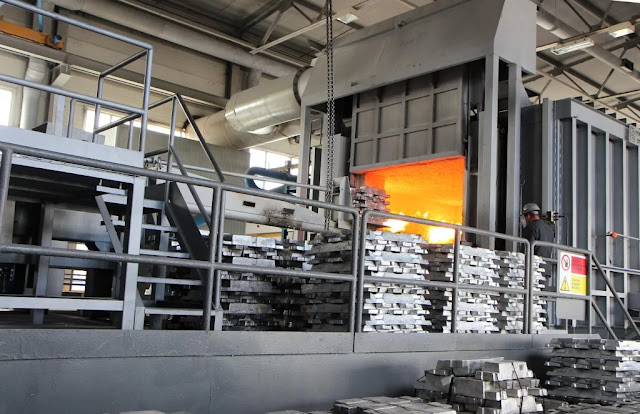
First, high-quality raw materials are selected and melted in a furnace at high temperatures. The molten cast iron is then poured into prepared molds, which are typically made of sand. Once the metal cools and solidifies, the mold is broken to remove the casting. The final step includes cleaning, machining, and inspection to ensure the casting meets design and quality standards.
This process allows manufacturers to produce intricate shapes with excellent surface finish and mechanical properties.
Importance of Cast Iron Casting Services
Professional cast iron casting services play a vital role in industrial manufacturing. These services ensure that cast components meet required specifications, tolerances, and performance standards. Foundries with expertise in cast iron casting provide reliable solutions for both standard and custom applications.
By outsourcing casting requirements to experienced service providers, industries benefit from reduced production costs, improved product quality, and faster turnaround times. Cast iron casting services also offer scalability, allowing manufacturers to meet both small and large production demands efficiently.
Applications of Cast Iron Casting
Cast iron casting is used across a wide range of industries due to its versatility and durability.
Automotive Industry
Cast iron is commonly used for engine blocks, cylinder heads, brake components, and exhaust manifolds because of its strength and heat resistance.
Construction and Infrastructure
Pipes, manhole covers, drainage systems, and structural components rely on cast iron for long-term performance and load-bearing capacity.
Industrial Machinery
Machine frames, bases, gear housings, and industrial tools are manufactured using cast iron casting due to its vibration-damping and wear-resistant properties.
Energy and Power Sector
Cast iron components are used in turbines, pumps, valves, and power generation equipment where reliability is essential.
Advantages of Cast Iron Casting
Cast iron casting offers numerous benefits that make it a preferred choice in industrial manufacturing.
One of the primary advantages is cost efficiency. Cast iron is relatively inexpensive compared to other metals, making it ideal for large-scale production. The casting process also allows for complex designs without extensive machining, reducing overall manufacturing costs.
Another key advantage is durability. Cast iron components are known for their long service life, excellent wear resistance, and ability to withstand heavy loads and harsh conditions. Additionally, cast iron provides excellent thermal stability and vibration damping, which is crucial in machinery and automotive applications.
Quality Control in Cast Iron Casting Services
Quality control is a critical aspect of professional cast iron casting services. Every stage of the process, from raw material selection to final inspection, is monitored to ensure compliance with industry standards.
Advanced testing methods such as dimensional inspection, hardness testing, and non-destructive testing are used to verify product quality. These measures ensure that cast iron components perform reliably in real-world applications and meet client expectations.
Custom Cast Iron Casting Solutions
Many industries require custom components designed for specific applications. Cast iron casting services offer customized solutions that allow clients to choose material grades, dimensions, and design specifications.
Custom cast iron casting is especially valuable for replacement parts, specialized machinery, and unique industrial applications. By working closely with clients, casting service providers ensure that each product meets functional and performance requirements.
Sustainability in Cast Iron Casting
Modern cast iron casting services emphasize sustainable manufacturing practices. Cast iron is highly recyclable, making it an environmentally friendly material choice. Foundries often reuse scrap iron and recycle sand molds to minimize waste and reduce environmental impact.
Energy-efficient furnaces and optimized production processes further enhance sustainability. These practices not only benefit the environment but also improve production efficiency and cost savings.
Choosing the Right Cast Iron Casting Service Provider
Selecting the right cast iron casting service provider is essential for achieving consistent quality and reliable performance. Factors to consider include industry experience, technical expertise, quality assurance standards, and production capacity.
A professional casting service provider should offer comprehensive solutions, from design support to final finishing and inspection. Strong communication, timely delivery, and adherence to specifications are key indicators of a reliable partner.
Conclusion
Cast iron casting continues to be a cornerstone of industrial manufacturing due to its strength, versatility, and cost-effectiveness. With applications spanning automotive, construction, machinery, and energy sectors, the demand for reliable cast iron components remains strong.
Professional cast iron casting services ensure high-quality production through advanced processes, strict quality control, and customized solutions. By choosing experienced casting service providers, industries can achieve durable, efficient, and cost-effective results.


Comments
Post a Comment