Cast Iron Casting: A Reliable Manufacturing Process

Cast iron casting is one of the most widely used methods for producing durable and complex metal components. Known for its strength, wear resistance, and excellent machinability, cast iron has been a preferred material in manufacturing for centuries. Industries across Pakistan and the globe rely on cast iron casting for producing everything from automotive parts to heavy machinery. Companies like CSGExtrusion utilize cast iron casting to deliver high-quality, precise, and long-lasting components tailored to industrial needs. Understanding Cast Iron Casting
Cast iron casting involves pouring molten cast iron into a mold to create a desired shape. The process typically begins with designing a pattern, which is an exact replica of the part to be produced. This pattern is then used to create a mold, usually made from sand or metal. Once the mold is prepared, molten cast iron is poured into it and allowed to cool and solidify. After cooling, the mold is removed to reveal the finished casting, which may undergo additional machining or finishing operations.
Cast iron’s unique composition, typically including carbon, silicon, and other alloying elements, provides superior strength, wear resistance, and thermal conductivity. This makes it ideal for components subjected to heavy loads, high temperatures, or abrasive conditions. Companies like CSGExtrusion employ advanced cast iron casting techniques to ensure that each component meets the strict quality and performance standards required by modern industries.
Advantages of Cast Iron Casting
Cast iron casting offers several advantages that make it a preferred choice in many manufacturing sectors:
-
Durability: Cast iron components are extremely strong and resistant to wear and deformation, making them suitable for heavy-duty industrial applications.
-
Excellent Machinability: Despite its hardness, cast iron is relatively easy to machine into precise shapes and tolerances, allowing manufacturers to produce complex components efficiently.
-
Thermal Conductivity: Cast iron has excellent heat retention and distribution properties, making it ideal for engine components, molds, and heat exchangers.
-
Vibration Dampening: Cast iron naturally absorbs vibrations, which is why it is widely used for machine bases, engine blocks, and industrial machinery.
-
Cost-Effective: The availability of raw materials and the relative ease of casting make cast iron components economical to produce, especially for medium to large-sized parts.
Applications of Cast Iron Casting
The versatility and strength of cast iron make it suitable for a wide range of industrial applications:
-
Automotive Industry: Cast iron is commonly used to manufacture engine blocks, brake drums, flywheels, and gearbox components due to its durability and thermal properties.
-
Construction and Infrastructure: Pipes, valves, and heavy machinery components are often produced using cast iron casting because of its strength and wear resistance.
-
Industrial Machinery: Equipment such as pumps, compressors, and machine tool frames benefit from cast iron’s vibration-dampening and durable characteristics.
-
Agricultural Equipment: Cast iron is used to manufacture plows, tractor parts, and other heavy-duty farming machinery.
-
Marine Applications: Components like propellers, engine mounts, and pump housings are often cast in iron due to its robustness and resistance to corrosion in certain conditions.
Companies like CSGExtrusion rely on cast iron casting to produce precision-engineered components for these industries, ensuring high quality, reliability, and performance.
Limitations of Cast Iron Casting
While cast iron casting has many benefits, it also has some limitations. Cast iron is brittle compared to steel and other alloys, which means it can fracture under extreme impact or tension. It is not suitable for parts that require high ductility or flexibility. Additionally, the surface finish of cast iron castings may require additional machining to achieve smoothness or precise dimensions, especially in high-precision applications.
Despite these limitations, for many industrial uses, the advantages of durability, wear resistance, and cost-effectiveness outweigh the drawbacks. Companies like CSGExtrusion mitigate these challenges by combining advanced casting techniques with precision machining to produce components that meet exact specifications.
Innovations in Cast Iron Casting
Modern cast iron casting has benefited greatly from technological advancements. Computer-aided design (CAD) allows for precise mold and pattern creation, reducing errors and improving dimensional accuracy. Advanced molding techniques, such as shell molding and investment casting, provide higher-quality surfaces and finer details.
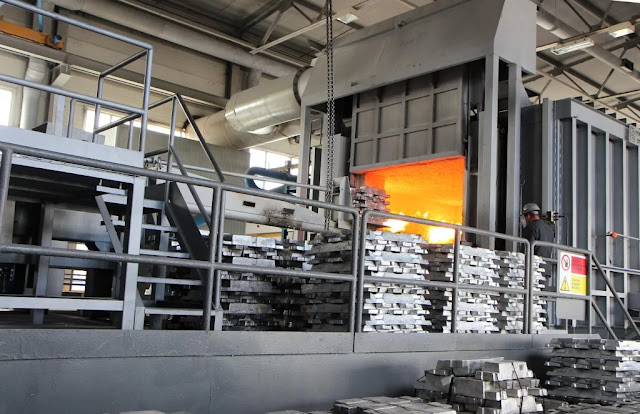
Automation and improved furnace technologies also enable consistent melting, pouring, and cooling, resulting in uniform and defect-free castings. Companies like CSGExtrusion integrate these innovations to enhance production efficiency and deliver high-quality cast iron components to industrial clients.
Conclusion
Cast iron casting remains a cornerstone of modern manufacturing due to its durability, cost-effectiveness, and versatility. It is widely used in automotive, industrial machinery, construction, agriculture, and marine applications. While the process has certain limitations in terms of brittleness and surface finish, advancements in technology and post-processing techniques have significantly improved the quality and reliability of cast iron components.
Companies like CSGExtrusion continue to leverage the strengths of cast iron casting, producing high-quality, precision-engineered components that meet the demanding requirements of modern industries. For manufacturers and businesses seeking strong, reliable, and cost-effective metal parts, cast iron casting remains an essential and trusted solution.


Comments
Post a Comment