Cast Iron Casting: High-Quality Solutions for Industrial and Commercial Applications

Cast iron casting is a critical process in the manufacturing and industrial sectors, providing durable and versatile metal components for a wide range of applications. From automotive parts and machinery components to construction materials and household items, cast iron products are highly valued for their strength, wear resistance, and cost-effectiveness. Businesses seeking reliable cast iron casting services rely on specialized companies to deliver precise, high-quality components that meet strict industrial standards.
What is Cast Iron Casting?
Cast iron casting is the process of pouring molten cast iron into molds to produce solid metal parts of various shapes and sizes. The method allows manufacturers to create complex geometries that would be difficult to achieve with traditional machining techniques. Cast iron, an alloy of iron, carbon, and silicon, is known for its high compressive strength, excellent durability, and resistance to deformation under heavy loads.
The casting process can be tailored for different applications using techniques such as sand casting, investment casting, and shell molding. Each method ensures that the final product meets the desired specifications for mechanical strength, surface finish, and dimensional accuracy.
Types of Cast Iron
Several types of cast iron are used in industrial applications, each offering unique properties:
-
Gray Cast Iron: Known for its excellent machinability, vibration damping, and wear resistance. Commonly used for engine blocks, pipes, and machinery bases.
-
Ductile (Nodular) Cast Iron: Offers improved tensile strength and flexibility, making it suitable for automotive components, gears, and heavy-duty machinery.
-
White Cast Iron: Extremely hard and wear-resistant, often used for crushing and grinding equipment.
-
Malleable Cast Iron: Combines toughness and machinability, ideal for smaller precision components like fittings and brackets.
Cast Iron Casting Services
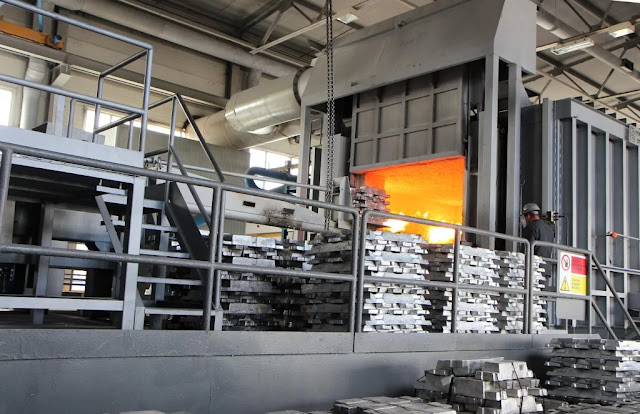
Professional cast iron casting services provide end-to-end solutions, from design and mold preparation to pouring, finishing, and quality inspection. Companies offering these services use modern foundry techniques, advanced equipment, and skilled personnel to ensure superior quality and precision.
Key Features of Cast Iron Casting Services:
-
Custom Designs: Ability to produce complex and custom components tailored to specific industrial needs.
-
High Accuracy: Advanced casting methods ensure dimensional accuracy and consistency.
-
Durability: Cast iron components are designed to withstand heavy loads, wear, and thermal stress.
-
Surface Finishing: Services include polishing, machining, coating, and heat treatment for enhanced performance.
-
Inspection & Quality Control: Stringent testing ensures products meet industrial standards for mechanical properties and reliability.
These services cater to a variety of industries, including automotive, construction, machinery manufacturing, energy, and plumbing.
Applications of Cast Iron Casting
The versatility of cast iron makes it suitable for numerous industrial and commercial applications:
-
Automotive Industry: Engine blocks, brake components, housings, and gears.
-
Machinery & Equipment: Pumps, compressors, valves, and industrial machinery parts.
-
Construction: Pipes, manhole covers, structural components, and fittings.
-
Household Products: Cookware, stoves, radiators, and decorative items.
-
Energy Sector: Turbine components, boilers, and heavy-duty machinery parts.
The strength, thermal resistance, and wear resistance of cast iron make it indispensable for components that demand long service life and reliability.
Advantages of Cast Iron Casting
-
Cost-Effective Production: Suitable for mass production of complex components at competitive costs.
-
High Wear and Corrosion Resistance: Ideal for heavy-duty industrial applications.
-
Versatility in Shapes and Sizes: Can be molded into intricate designs that are difficult to achieve with machining.
-
Thermal and Mechanical Strength: Can withstand high temperatures and heavy loads.
-
Ease of Machining and Finishing: Depending on the type, cast iron components can be easily machined and finished for precise applications.
Choosing a Reliable Cast Iron Casting Service
Selecting the right service provider is crucial for achieving high-quality cast iron components. Businesses should consider:
-
Experience and Expertise: Look for foundries with proven experience in cast iron casting.
-
Advanced Facilities: Modern equipment and technology ensure precision and efficiency.
-
Quality Assurance: Comprehensive testing and inspection processes guarantee consistent product quality.
-
Custom Solutions: Ability to handle specialized designs and industrial requirements.
-
Timely Delivery: Reliable companies ensure deadlines are met without compromising quality.
Partnering with a professional casting service ensures components meet both operational and safety standards, reducing downtime and maintenance costs.
Conclusion
Cast iron casting is a cornerstone of modern manufacturing, providing durable, versatile, and cost-effective solutions for a wide range of industrial applications. Whether for automotive parts, machinery components, construction materials, or household items, cast iron offers unmatched strength, wear resistance, and longevity. Professional cast iron casting services deliver precision, quality, and reliability, ensuring businesses can meet industrial demands with confidence. Investing in high-quality cast iron casting services guarantees superior performance, operational efficiency, and long-term cost savings for any industrial or commercial enterprise.


Comments
Post a Comment