Understanding Aluminium Casting
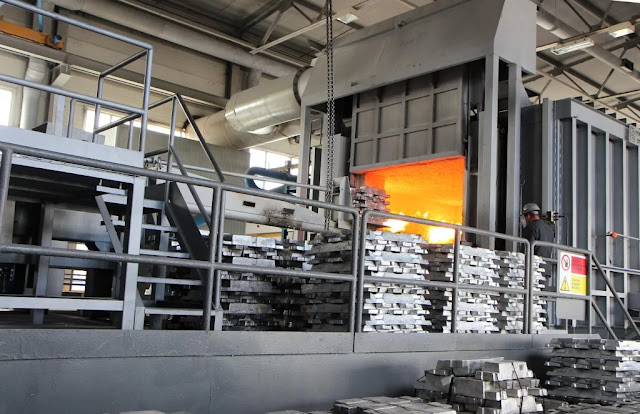
 Aluminium casting is a widely used metal casting process in which molten aluminium is poured into molds to produce precise and durable components. Known for its lightweight, corrosion resistance, and excellent thermal conductivity, aluminium is ideal for automotive, aerospace, electronics, and machinery applications. Companies like csgextrusion leverage advanced aluminium casting techniques to deliver high-quality components tailored to industrial requirements.
The Aluminium Casting Process
The aluminium casting process involves creating a mold, usually from sand, metal, or ceramic materials, which forms the cavity for the molten aluminium. Once the aluminium is melted and poured into the mold, it cools and solidifies to take the shape of the desired component. The casting is then removed from the mold and undergoes finishing processes such as machining, polishing, or heat treatment.
Key Steps in Aluminium Casting:
-
Pattern creation for the required component
-
Mold preparation using sand, metal, or ceramic materials
-
Melting and pouring molten aluminium into the mold cavity
-
Cooling and solidification
-
Finishing operations including machining and inspection
By integrating csgextrusion technology, manufacturers can achieve improved mold accuracy, reduced defects, and consistent high-quality aluminium castings.
Advantages of Aluminium Casting
Aluminium casting offers multiple advantages for industrial applications:
-
Lightweight yet strong components for various industries
-
Excellent corrosion resistance for extended product life
-
Ability to create complex and detailed shapes
-
Cost-effective production for small to large batches
-
Compatibility with advanced techniques like csgextrusion for precision casting
These benefits make aluminium casting a preferred choice for producing engine parts, aerospace components, and electronic housings.
Applications of Aluminium Casting
Aluminium casting is used in numerous industries due to its versatility and performance:
-
Automotive Industry: Engine blocks, cylinder heads, and chassis components
-
Aerospace Industry: Aircraft parts and structural components
-
Electronics: Heat sinks, housings, and enclosures
-
Machinery & Equipment: Pumps, valves, and industrial components
With csgextrusion, foundries can enhance dimensional accuracy, surface finish, and overall component reliability, making aluminium castings suitable for high-performance applications.
Why Choose Professional Aluminium Casting Services
Professional aluminium casting services ensure high-quality results, precision, and efficiency. Companies like csgextrusion provide expert guidance in mold design, casting processes, and finishing techniques, producing aluminium components that meet strict industrial standards.
Benefits of Professional Aluminium Casting Services:
-
Skilled workforce and advanced foundry equipment
-
High precision in mold creation and casting
-
Quality control for defect-free components
-
Ability to handle complex and large-scale castings
-
Timely production and delivery for industrial projects
Professional services reduce the risk of defects and improve component longevity, ensuring reliable and durable aluminium parts for industrial use.
Conclusion
Aluminium casting remains an essential manufacturing process due to its lightweight, strength, and versatility. By using professional aluminium casting services and modern technologies like csgextrusion, manufacturers can produce high-quality, precise, and durable aluminium components for automotive, aerospace, electronics, and machinery industries. Investing in expert casting solutions ensures superior product performance and operational efficiency.


Comments
Post a Comment