Aluminium Casting: Precision and Performance in Modern Manufacturing

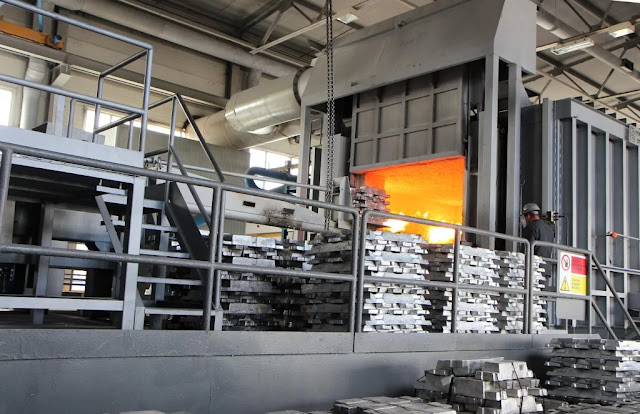
Aluminium casting is one of the most widely used techniques in the metal manufacturing industry due to aluminium’s lightweight, corrosion-resistant, and highly versatile properties. This process involves pouring molten aluminium into a mold to form components with precise shapes and complex geometries. Aluminium casting is favored in industries such as automotive, aerospace, construction, and electronics because of its superior strength-to-weight ratio and excellent thermal conductivity. Companies like CSGExtrusion have mastered aluminium casting techniques, combining traditional craftsmanship with modern technology to produce high-quality components that meet stringent industrial standards.
The Aluminium Casting Process
The aluminium casting process typically starts with creating a pattern that replicates the final product. A mold is then prepared using sand, metal, or permanent molds. Molten aluminium is poured into this mold, filling every cavity to ensure an accurate replica of the pattern. After the metal cools and solidifies, the mold is removed, revealing the cast component, which then undergoes finishing processes such as trimming, machining, or heat treatment to achieve precise dimensions and surface quality.
CSGExtrusion utilizes state-of-the-art mold-making techniques and precision casting processes to ensure that even the most complex aluminium components meet high standards of accuracy and durability.
Properties of Aluminium
Aluminium possesses several unique properties that make it ideal for casting:
-
Lightweight: Reduces overall component weight, improving efficiency in automotive and aerospace applications.
-
Corrosion-Resistant: Naturally forms a protective oxide layer, enhancing durability.
-
High Thermal Conductivity: Ideal for heat exchangers, engine components, and electronics housings.
-
Machinability: Easy to machine, allowing precise finishing and customization.
-
Recyclable: Aluminium can be recycled without losing its properties, supporting sustainable manufacturing.
By leveraging these properties, CSGExtrusion produces aluminium cast components that are strong, lightweight, and suitable for a wide range of industrial applications.
Advantages of Aluminium Casting
Aluminium casting offers several advantages that make it a preferred manufacturing method:
-
Versatility: Can produce complex geometries and intricate designs.
-
Durability: Resistant to corrosion and long-lasting under varying environmental conditions.
-
Lightweight: Reduces energy consumption in transportation and machinery applications.
-
Cost-Effective: Efficient production, especially for medium to large batch sizes.
-
Customizable: Easily machined and finished to exact specifications.
CSGExtrusion takes full advantage of these benefits, ensuring aluminium castings meet both functional and aesthetic requirements for diverse industries.
Applications of Aluminium Casting
Aluminium cast components are used across multiple sectors due to their lightweight yet durable nature:
-
Automotive Industry: Engine blocks, transmission cases, gear housings, and suspension components.
-
Aerospace Industry: Aircraft components, engine parts, and structural elements.
-
Electronics: Housings for devices, heat sinks, and enclosures.
-
Construction and Infrastructure: Window frames, door fittings, and architectural elements.
CSGExtrusion has extensive experience supplying aluminium cast components to these industries, ensuring products meet strict performance and quality standards.
Challenges in Aluminium Casting
Despite its advantages, aluminium casting presents several challenges, including:
-
Porosity: Trapped air or gas bubbles can reduce component strength.
-
Shrinkage: Requires careful mold design and cooling control to maintain dimensions.
-
Surface Finish: May need additional machining to achieve smooth surfaces.
-
Alloy Selection: Choosing the right alloy is critical to ensure required mechanical properties.
CSGExtrusion addresses these challenges using advanced simulation software, precise temperature monitoring, and rigorous quality checks to deliver defect-free aluminium components.
Innovations and Technology in Aluminium Casting
Modern aluminium casting integrates traditional methods with advanced technologies. CSGExtrusion employs computer-aided design (CAD) and simulation tools to optimize mold design, predict shrinkage, and prevent defects. Controlled cooling, heat treatment, and precision machining ensure each component meets exact specifications. These innovations reduce production time, minimize material waste, and improve overall casting quality, making CSGExtrusion a leader in aluminium casting solutions.
Why Choose CSGExtrusion for Aluminium Casting
CSGExtrusion stands out in aluminium casting for its:
-
Expertise in producing high-quality aluminium components
-
Advanced mold-making and precision casting techniques
-
Strict quality control at every stage of production
-
Capability to produce both standard and custom parts
-
Commitment to innovation, efficiency, and sustainability
By combining industry experience with modern technology, CSGExtrusion ensures aluminium castings that are reliable, precise, and high-performing for a wide range of applications.
Conclusion
Aluminium casting remains a cornerstone of modern manufacturing due to its versatility, lightweight nature, and durability. From automotive and aerospace parts to construction fittings and electronics components, aluminium castings provide excellent performance and longevity. Companies like CSGExtrusion are at the forefront of this industry, utilizing advanced casting techniques, quality materials, and innovative technologies to produce components that meet rigorous industrial standards. By choosing CSGExtrusion, industries can rely on precision-engineered aluminium castings that deliver both strength and efficiency.


Comments
Post a Comment