Everything You Need to Know About Cast Iron Casting

Cast iron casting has been a cornerstone of metalworking for centuries. From old-world machinery to modern-day industrial applications, this method remains one of the most durable and cost-effective solutions for manufacturing strong, wear-resistant components.
What Is Cast Iron Casting?
Cast iron casting refers to the process of melting iron along with carbon and silicon, then pouring it into a mold where it cools and solidifies into a specific shape. The result is a hard, dense material that performs exceptionally well under pressure, wear, and heat.
Cast iron is not pure iron; it’s actually a group of iron-carbon alloys with carbon content greater than 2%. Depending on the application, manufacturers often choose from various types of cast iron such as:
-
Ductile Iron
-
White Cast Iron
-
Malleable Iron
Each type offers distinct advantages in terms of strength, flexibility, and resistance.
The Cast Iron Casting Process
The casting process typically involves several steps:
-
Pattern Making – A model (pattern) of the object is created to shape the mold.
-
Mold Making – The pattern is used to form a sand or ceramic mold.
-
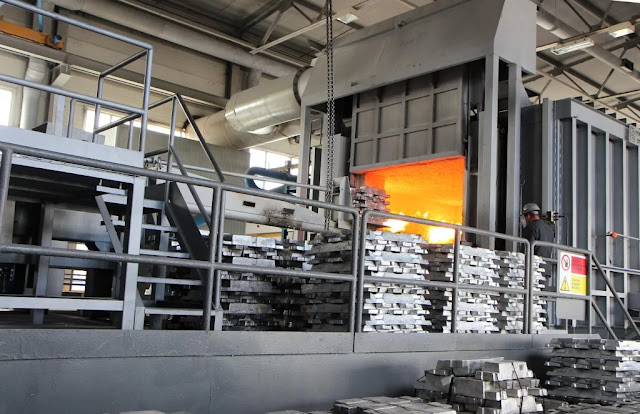
Melting – Iron is melted in a furnace at temperatures around 1200°C.
-
Pouring – The molten iron is poured into the mold cavity.
-
Cooling – The metal solidifies as it cools down inside the mold.
-
Finishing – The final product is cleaned, trimmed, and inspected.
This process makes cast iron casting an ideal choice for high-volume production due to its repeatability and cost-efficiency.
Advantages of Cast Iron Casting
One of the biggest reasons cast iron is still used so widely is its many strengths:
-
Excellent Wear Resistance – Great for parts that undergo friction.
-
High Compressive Strength – Ideal for heavy-load applications.
-
Good Machinability – Can be easily shaped and customized after casting.
-
Vibration Dampening – Perfect for machinery bases and engine blocks.
-
Affordable – Compared to other alloys, cast iron is economical and readily available.
These benefits make cast iron casting a go-to choice for industries like automotive, agriculture, construction, and manufacturing.
Applications of Cast Iron Casting

You'll find cast iron casting used in a broad range of applications:
-
Engine blocks
-
Manhole covers
-
Pumps and valves
-
Machine bases
-
Cookware
-
Piping systems
Its reliability and durability make it a material of choice for parts where performance matters most.
Is Cast Iron Casting Right for Your Project?
If you're looking for a material that offers strength, cost-efficiency, and long-term performance, cast iron casting is worth considering. Whether you're producing industrial parts or consumer goods, it can be tailored to meet specific design and durability requirements.
Final Thoughts
Cast iron casting is far from outdated. It’s a time-tested manufacturing method that continues to power countless industries around the world. With its balance of strength, affordability, and adaptability, it's no wonder cast iron remains a popular material even in today’s high-tech world.


Comments
Post a Comment